Recovering at home after heart surgery: what to watch for
Going home is a milestone. It can also feel a little scary without the hospital monitors and staff nearby. This gentle guide explains how you may feel as you heal, and the specific signs that are worth a call.
most people recover from heart surgery without a serious problem. Feeling tired, sore, and up-and-down emotionally is normal. This guide isn't meant to worry you, it's meant to help you know what's expected and what's worth checking.
The first week or two at home
In the early days, it's normal to feel tired, to have some soreness around the incision, and to need a lot of rest. Your energy will come back slowly. Follow the instructions your care team gave you about activity, medicines, and incision care.
This is also a good time to pay quiet attention to your breathing and energy from one day to the next. You're not looking for a single bad moment, you're noticing trends, like feeling a bit more out of breath today than yesterday.
Weeks two and three: a window worth watching
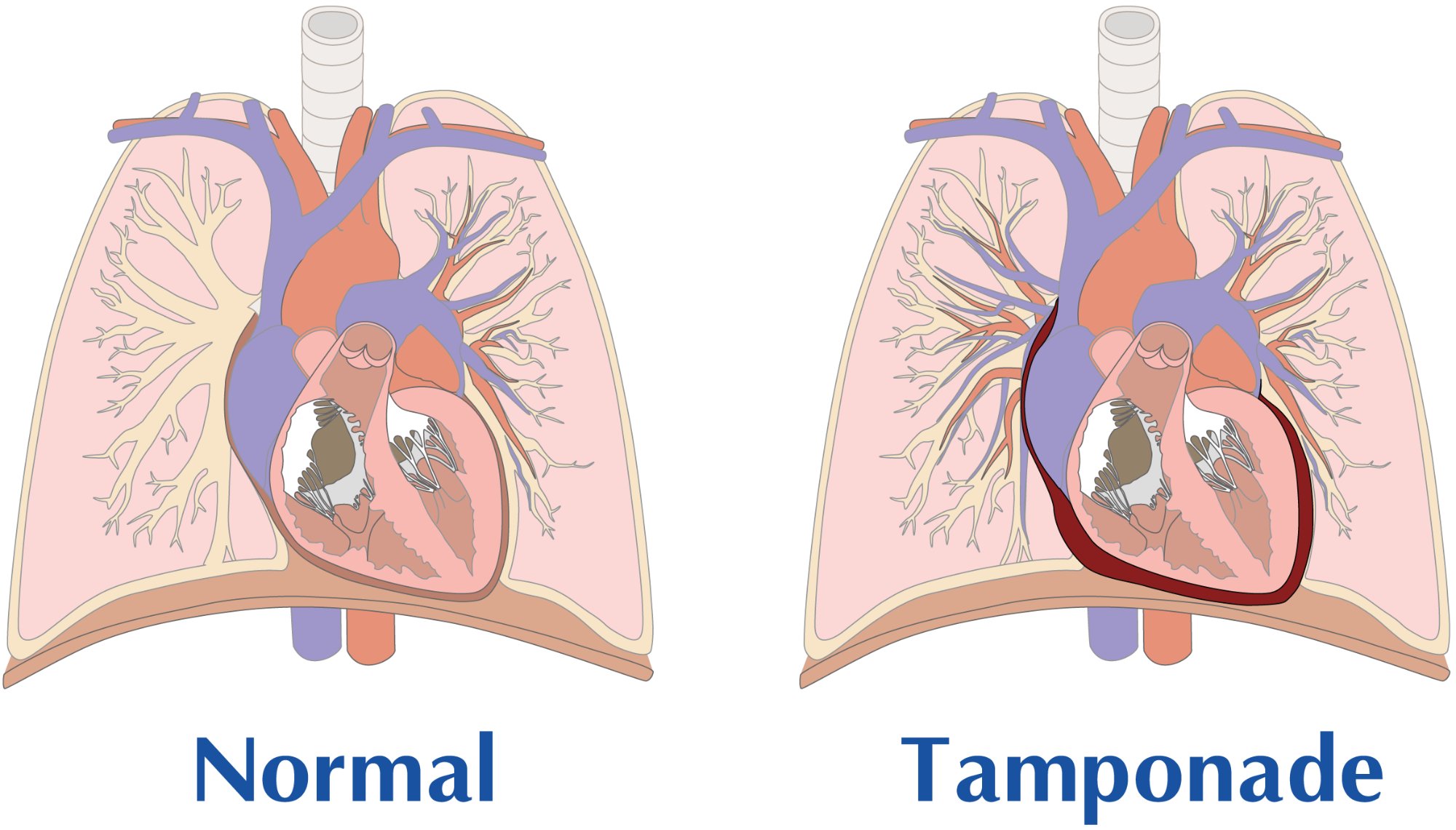
Here's something many people don't expect: one uncommon problem, fluid building up around the heart, tends to show up later, often in the second or third week after surgery, when you're already home and starting to feel more like yourself.
It's more likely after valve surgery and in people taking blood thinners. That's exactly why this stretch of your recovery is worth a little extra attention, and why some care teams use home monitoring during this window.
Signs that are worth a call
These can have many ordinary causes during recovery, but after heart surgery they're worth checking:
- Feeling more short of breath than the day before
- Feeling unusually tired or weak
- Feeling dizzy or lightheaded
- A fast or fluttering heartbeat
- New swelling, or fullness and pressure in the chest
you know your body better than anyone. If something feels off, it's always okay to call your care team. They would much rather hear from you.
How home monitoring can help
Some care teams now use monitoring at home during the weeks after surgery. With a simple fingertip oxygen clip, software can watch your pulse signal for an early warning sign and alert your team if something looks off, between your regular visits.
One example is PulSentry, investigational software that watches for a pulse pattern called pulsus paradoxus. You can read about it in plain language in the pulsus paradoxus guide.
PulSentry is investigational and not FDA-cleared. It supports your care team; it does not replace your doctor and does not diagnose or treat anything. Ask your care team whether home monitoring is right for your recovery.
When should I call my doctor or 911?
Call 911 or go to the emergency room right away if you have:
- Severe shortness of breath
- Fainting, or feeling like you might pass out
- Chest pressure or chest pain
Call your care team if you feel newly short of breath, very tired, dizzy, or your heartbeat feels fast or fluttery, or if anything just doesn't feel right. When in doubt, reach out.
Where this information comes from
- Mayo Clinic; Cleveland Clinic. Recovery after heart surgery; cardiac tamponade, patient information.
- MedlinePlus (U.S. National Library of Medicine). Pericardial effusion.
- Floerchinger B, et al. Delayed cardiac tamponade after open heart surgery. J Cardiothorac Surg. 2013;8:158.